


Hey there! As an integrated motor drive supplier, I've seen a lot of folks scratching their heads when it comes to picking the right integrated motor drive. It's not as simple as it might seem, but don't worry - I'm here to break it down for you.
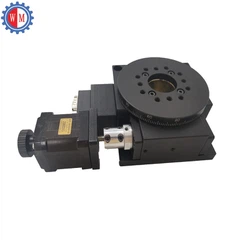
First off, let's talk about what an integrated motor drive actually is. In a nutshell, it's a combo of a motor and a drive in one unit. This setup offers a bunch of perks, like saving space, reducing wiring, and often improving overall system performance. But with so many options out there, how do you know which one is the best fit for your needs?
1. Know Your Application
The very first thing you gotta do is understand your application inside out. What kind of tasks will the motor drive be handling? Is it for a high - speed operation, like in a conveyor belt system? Or maybe it's for something that requires precise positioning, such as a robotic arm.
For instance, if you're working on a project that involves quick starts and stops, you'll need a drive that can handle high acceleration and deceleration rates. On the other hand, if your application demands smooth and continuous operation, a drive with excellent torque control would be ideal.
2. Consider the Motor Type
Different motor types have different characteristics, and it's crucial to match the drive to the motor. There are mainly three types of motors you'll commonly encounter: stepper motors, servo motors, and induction motors.
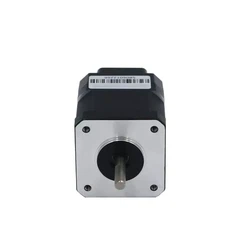
Stepper Motors: These are great for applications where precise positioning is needed. They move in discrete steps, making them easy to control. If you're looking for a stepper motor drive, I'd recommend checking out our Modbus RS485 Stepper Driver for Nema 23. It's designed to work seamlessly with Nema 23 stepper motors and offers reliable performance.
Servo Motors: Servo motors are known for their high - precision control and fast response times. They're often used in applications where accuracy and speed are of the essence, like in CNC machines. When choosing a drive for a servo motor, make sure it has the right feedback mechanism and control algorithms to ensure optimal performance.
Induction Motors: These are the workhorses of the industrial world, commonly used in pumps, fans, and compressors. They're relatively simple and robust, but you'll need a drive that can handle their specific electrical characteristics.
3. Look at the Communication Interface
In today's connected world, having a proper communication interface in your motor drive is a must. This allows you to integrate the drive into your existing control system and monitor its performance remotely.
One of the most popular interfaces is Modbus RS485. It's a simple, reliable, and widely used protocol for industrial communication. Our Programmable Modbus RS485 Motor Drive is a great option if you need a drive with Modbus RS485 communication. It lets you easily connect and communicate with other devices in your system, giving you full control over the motor drive.
4. Evaluate the Power Requirements
You need to make sure the drive can handle the power demands of your motor. This includes both the voltage and the current requirements. If the drive doesn't supply enough power, the motor won't perform as expected. On the other hand, if the drive has too much power capacity, you'll be overspending and likely dealing with a larger, less efficient unit.
Check the motor's datasheet for its rated voltage and current. Then, choose a drive that matches or slightly exceeds these values. This ensures that the motor operates within its optimal range and has enough power to handle any load variations.
5. Think About the Environment
The environment where the motor drive will be installed plays a big role in its performance and longevity. Is it a dirty, dusty place? Or is it a wet, humid environment? Maybe it's a high - temperature area.
If the environment is harsh, you'll need a drive that's built to withstand these conditions. Look for drives with features like dust - proof enclosures, moisture - resistant coatings, and over - temperature protection. This will help prevent damage to the drive and ensure reliable operation over time.
6. Check the Control Features
Modern motor drives come with a wide range of control features. Some of the key features to look for include speed control, torque control, and position control.
Speed control allows you to set and adjust the rotational speed of the motor. Torque control is useful when you need to maintain a specific amount of force or load. Position control is essential for applications that require precise positioning, like in automated machinery.
Make sure the drive has the control features you need for your specific application. Some drives also offer programmability, which allows you to customize the control settings according to your requirements.
7. Consider the Cost
Cost is always a factor, but it shouldn't be the only thing you consider. While it might be tempting to go for the cheapest option, a low - cost drive may not offer the performance, reliability, or features you need.
Instead, look for a drive that offers a good balance between cost and performance. Consider the long - term costs as well, such as maintenance and energy consumption. A more efficient drive may cost more upfront but can save you money in the long run.
Conclusion
Selecting an appropriate integrated motor drive is a process that requires careful consideration of your application, motor type, communication interface, power requirements, environment, control features, and cost. By taking the time to evaluate these factors, you can choose a drive that meets your needs and provides reliable performance.


If you're still unsure about which integrated motor drive is right for you, or if you want to learn more about our products, feel free to get in touch with us. We're here to help you make the best decision for your project. Let's have a chat about your requirements and see how we can assist you in getting the perfect integrated motor drive.
References
- Various motor and drive manufacturers' datasheets and technical documents.
- Industry standards and guidelines for motor drive selection.


