
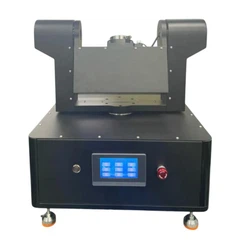
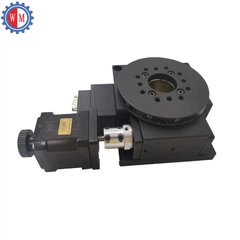
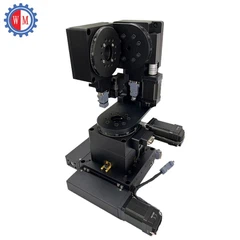
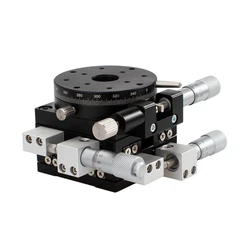
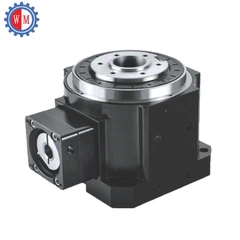
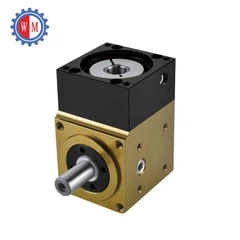
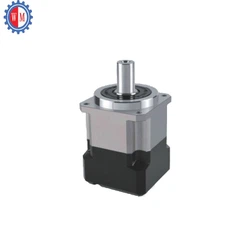
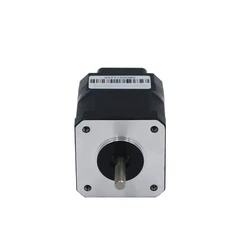


Hey there! As a supplier of Integrated Motor Drives, I've seen my fair share of folks scratching their heads over the installation process. So, I thought I'd put together this blog to walk you through how to install an Integrated Motor Drive step by step.
Before You Start
First things first, safety is key. Make sure you've got the right safety gear on, like gloves and safety glasses. You don't want any nasty surprises while you're working. Also, double - check that the power is off at the main switch. You don't want to accidentally get a shock.
Next, gather all the tools you'll need. You'll probably need a screwdriver, wire strippers, and maybe a multimeter to check the electrical connections. And of course, have your Integrated Motor Drive handy. We offer some great options like the Programmable Modbus RS485 Motor Drive and the Modbus RS485 Stepper Driver for Nema 23. These drives are top - notch and will make your motor run smoothly.
Step 1: Choose the Right Location
The location where you install your Integrated Motor Drive is super important. It should be in a clean, dry place. Avoid areas with a lot of dust, moisture, or extreme temperatures. High humidity can cause corrosion, and too much dust can clog up the drive and cause it to overheat.
Also, make sure there's enough space around the drive for ventilation. The drive generates heat during operation, and proper ventilation helps keep it cool. If it gets too hot, it might not work correctly or could even break down.
Step 2: Mount the Drive
Once you've found the perfect spot, it's time to mount the drive. Most Integrated Motor Drives come with mounting holes. Use your screwdriver to attach the drive to the chosen surface. Make sure it's firmly secured. You don't want it to wiggle or fall off later on.
Check that the mounting surface is flat and sturdy. If it's not, the drive might not be installed correctly, which can lead to problems down the road.
Step 3: Connect the Power
Now, it's time to connect the power. But remember, the power should still be off at this point. Use your wire strippers to strip the ends of the power wires. Then, connect them to the appropriate terminals on the drive. Usually, there will be labels indicating which wire goes where.
It's a good idea to use a multimeter to check the voltage before you make the connections. This ensures that you're connecting the right voltage to the drive. If you connect the wrong voltage, it can damage the drive.
Step 4: Connect the Motor
After the power is connected, it's time to connect the motor to the drive. Again, follow the labels on the drive. Different motors might have different connection requirements, so make sure you're doing it right.
Some drives have specific terminals for different types of motors. For example, if you're using a stepper motor, connect it to the appropriate stepper motor terminals. Double - check the connections to make sure they're tight. Loose connections can cause the motor to run poorly or not at all.
Step 5: Connect the Control Signals
Most Integrated Motor Drives need control signals to operate properly. These signals can come from a PLC (Programmable Logic Controller) or other control devices. Connect the control wires to the corresponding terminals on the drive.
The control signals tell the drive how fast to run the motor, in which direction, and when to start and stop. Make sure the wiring is correct, or the motor won't respond as expected.
Step 6: Grounding
Grounding is an essential step. Connect the grounding wire to the designated grounding terminal on the drive. Grounding helps protect the drive and the motor from electrical surges and static electricity.
A good ground connection can prevent damage to the equipment and also reduce the risk of electrical shock. Make sure the grounding wire is properly attached and has a good connection to the ground.
Step 7: Test the Installation
Once all the connections are made, it's time to test the installation. Before you turn on the power, do a final visual check of all the connections. Make sure everything looks good and there are no loose wires.
Then, turn on the power at the main switch. Check if the drive powers on correctly. You might see some indicator lights on the drive. If the lights are flashing or not working as expected, there could be a problem.
Next, try sending some control signals to the drive and see if the motor responds. If the motor doesn't run, check the connections again. It could be a loose wire or an incorrect setting.


Troubleshooting
If you run into problems during the installation or testing, don't panic. Here are some common issues and how to fix them:
- No power to the drive: Check the power connections. Make sure the power switch is on and the voltage is correct. Also, check the fuses in the power supply.
- Motor not running: Check the motor connections and the control signals. Make sure the motor is compatible with the drive. Sometimes, the motor might need to be configured properly in the drive's settings.
- Overheating: Check the ventilation around the drive. Make sure there's enough space for air to flow. Also, check if there are any dust or debris blocking the vents.
Why Choose Our Integrated Motor Drives
Our Integrated Motor Drives are designed with the latest technology. They offer high performance, reliability, and ease of use. Whether you're working on a small project or a large industrial application, we've got the right drive for you.
The Programmable Modbus RS485 Motor Drive is great for applications where you need precise control. It allows you to program different operating modes and parameters, giving you more flexibility.
The Modbus RS485 Stepper Driver for Nema 23 is perfect for stepper motor applications. It provides smooth and accurate motion control, which is essential for many projects.
Contact Us for Purchase and Consultation
If you're interested in our Integrated Motor Drives or need more information about the installation process, don't hesitate to reach out. We're here to help you with all your motor drive needs. Whether you have questions about the products, need technical support, or want to place an order, just get in touch with us. We'll be happy to assist you and make sure you get the right drive for your application.
References
- Motor Drive Installation Manuals
- Electrical Safety Guidelines
- Industry Standards for Motor Drive Installation


