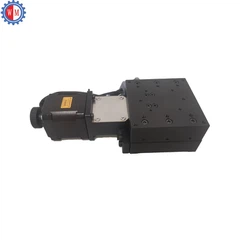
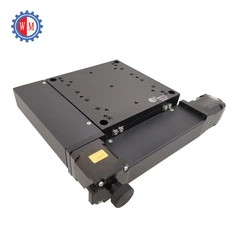
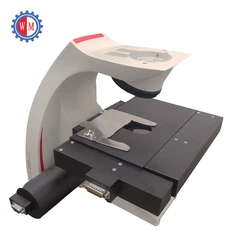


In today's rapidly evolving technological landscape, the integration of an Integrated Motor Drive (IMD) with the Internet of Things (IoT) has emerged as a transformative approach, offering unparalleled efficiency, control, and insights in industrial and commercial applications. As a leading supplier of Integrated Motor Drives, I am excited to share our expertise on how to implement this integration effectively.
Understanding the Basics of Integrated Motor Drives and IoT
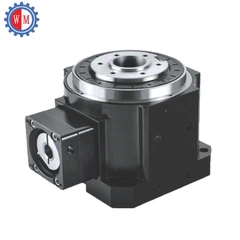
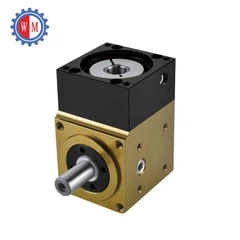
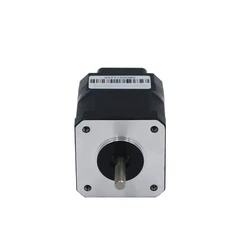
Before delving into the implementation process, it's essential to understand the core concepts of Integrated Motor Drives and the Internet of Things. An Integrated Motor Drive combines a motor and a drive into a single unit, eliminating the need for separate components and reducing installation time and costs. This compact design also enhances system reliability and performance by minimizing wiring and connection points.
On the other hand, the Internet of Things refers to the network of physical devices, vehicles, home appliances, and other items embedded with sensors, software, and connectivity, enabling them to collect and exchange data. By integrating IMDs with IoT, we can create a smart ecosystem where motors can communicate with each other, as well as with other devices and systems, in real-time.
Benefits of Integrating Integrated Motor Drives with IoT
The integration of IMDs with IoT offers numerous benefits, including:
- Enhanced Monitoring and Control: IoT-enabled IMDs can provide real-time data on motor performance, such as speed, torque, temperature, and vibration. This data can be used to monitor the health of the motor, detect potential issues early, and optimize its operation. Additionally, remote control capabilities allow operators to adjust motor settings and parameters from anywhere, improving efficiency and productivity.
- Predictive Maintenance: By analyzing the data collected from IoT-enabled IMDs, it is possible to predict when a motor is likely to fail and schedule maintenance accordingly. This proactive approach can reduce downtime, extend the lifespan of the motor, and lower maintenance costs.
- Energy Efficiency: IoT integration enables motors to operate more efficiently by adjusting their speed and torque based on the actual load requirements. This can result in significant energy savings, especially in applications where motors operate at partial loads for extended periods.
- Improved Safety: Real-time monitoring of motor performance can help detect abnormal conditions, such as overheating or excessive vibration, which could pose a safety risk. By alerting operators immediately, IoT-enabled IMDs can prevent accidents and ensure a safer working environment.
Steps to Implement the Integration of Integrated Motor Drives with IoT
Implementing the integration of IMDs with IoT involves several key steps:


- Select the Right IMD: Choose an IMD that is compatible with IoT technologies and offers the necessary communication interfaces, such as Ethernet, Wi-Fi, or Bluetooth. Our Programmable Modbus RS485 Motor Drive and Modbus RS485 Stepper Driver for Nema 23 are excellent choices for IoT integration, as they support Modbus communication protocol, which is widely used in industrial applications.
- Install Sensors: Install sensors on the motor to collect data on its performance. These sensors can include temperature sensors, vibration sensors, current sensors, and speed sensors. The data collected by these sensors will be used to monitor the motor's health and performance.
- Connect the IMD to the IoT Network: Connect the IMD to the IoT network using the appropriate communication interface. This can be done using a wired or wireless connection, depending on the specific requirements of the application. Once connected, the IMD will be able to send and receive data from other devices and systems on the network.
- Choose an IoT Platform: Select an IoT platform that can manage and analyze the data collected from the IMDs. The platform should offer features such as data storage, visualization, analytics, and alerts. Some popular IoT platforms include Amazon Web Services (AWS) IoT, Microsoft Azure IoT, and Google Cloud IoT.
- Develop Applications and Dashboards: Develop applications and dashboards that allow operators to monitor and control the IMDs remotely. These applications can be accessed using a web browser or a mobile device, providing real-time visibility into the motor's performance and status.
- Test and Validate the Integration: Before deploying the integrated system in a production environment, it is essential to test and validate the integration to ensure that it is working correctly. This can involve conducting tests on the communication between the IMDs and the IoT network, as well as on the functionality of the applications and dashboards.
Challenges and Considerations
While the integration of IMDs with IoT offers significant benefits, it also presents several challenges and considerations, including:
- Security: IoT systems are vulnerable to cyberattacks, which can compromise the integrity and confidentiality of the data collected from the IMDs. It is essential to implement robust security measures, such as encryption, authentication, and access control, to protect the system from unauthorized access and data breaches.
- Interoperability: Different IMDs and IoT devices may use different communication protocols and standards, which can make it challenging to integrate them seamlessly. It is important to choose IMDs and IoT devices that are compatible with each other and support the same communication protocols.
- Scalability: As the number of IoT-enabled IMDs and devices in a system grows, it is important to ensure that the IoT platform and network can scale to accommodate the increased data traffic. This may require upgrading the infrastructure and implementing load balancing and caching techniques.
- Data Management: The large amount of data generated by IoT-enabled IMDs can be overwhelming to manage and analyze. It is important to have a data management strategy in place to store, process, and analyze the data effectively.
Conclusion
The integration of Integrated Motor Drives with the Internet of Things is a game-changer in the field of industrial automation. By enabling real-time monitoring, control, and optimization of motor performance, IoT integration can improve efficiency, productivity, and safety, while reducing energy consumption and maintenance costs. As a leading supplier of Integrated Motor Drives, we are committed to helping our customers implement this integration successfully. If you are interested in learning more about how to integrate our IMDs with IoT or have any questions about our products, please contact us to start a procurement discussion.
References
- Smith, J. (2020). Internet of Things (IoT) in Industrial Automation. Springer.
- Brown, A. (2019). Integrated Motor Drives: Design, Analysis, and Applications. CRC Press.
- IEEE Standards Association. (2018). IEEE Standard for Local and Metropolitan Area Networks - Part 11: Wireless LAN Medium Access Control (MAC) and Physical Layer (PHY) Specifications.


