

As a supplier of Integrated Servo Motors, I often encounter questions from customers regarding various aspects of these motors, and one recurring query is whether an Integrated Servo Motor generates a lot of heat. In this blog, I'll delve into the factors that contribute to heat generation in these motors, the implications of excessive heat, and how to manage it effectively.
Understanding the Basics of Integrated Servo Motors
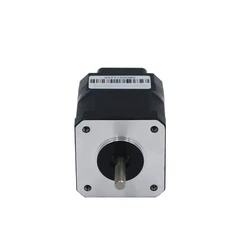
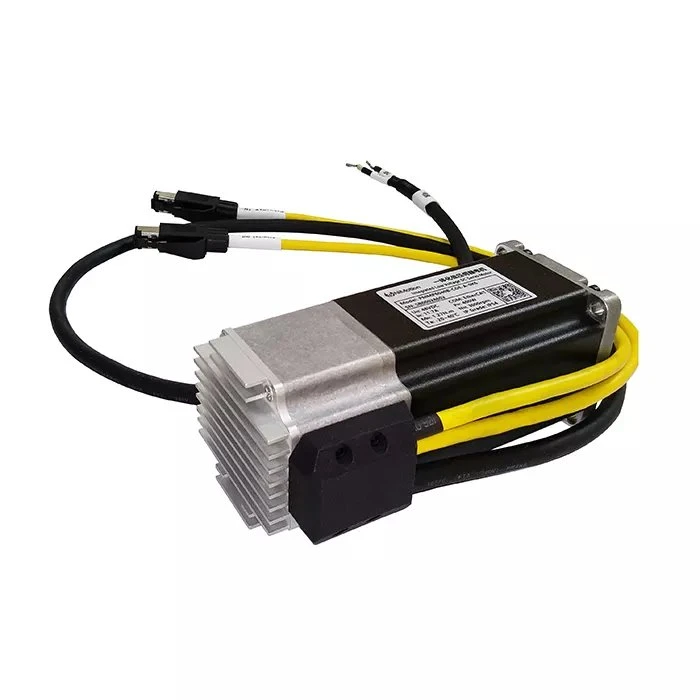
Before we discuss heat generation, let's briefly understand what an Integrated Servo Motor is. An Integrated Servo Motor combines the motor, drive, and often other control elements into a single compact unit. This integration offers several advantages, such as reduced wiring, simplified installation, and improved overall system performance. For those interested in exploring our product offerings, you can check out our Integrated Servo Motor and Drive Kit.

Sources of Heat Generation in Integrated Servo Motors
Heat generation in Integrated Servo Motors can be attributed to several factors, primarily related to the electrical and mechanical processes within the motor.
Electrical Losses
- Copper Losses: One of the main sources of heat in a servo motor is copper losses, also known as I²R losses. These losses occur due to the resistance of the motor's windings. When current flows through the windings, some of the electrical energy is converted into heat according to the formula P = I²R, where P is the power loss, I is the current, and R is the resistance of the windings. Higher currents or larger winding resistances will result in more significant copper losses and, consequently, more heat generation.
- Iron Losses: Iron losses, also called core losses, occur in the motor's magnetic core. These losses are further divided into hysteresis losses and eddy current losses. Hysteresis losses result from the repeated magnetization and demagnetization of the core material as the motor operates. Eddy current losses are caused by the induced currents in the core due to the changing magnetic field. These losses are proportional to the frequency of the alternating current and the square of the magnetic flux density.
Mechanical Losses
- Friction and Windage Losses: Friction losses occur at the bearings and other moving parts of the motor, while windage losses are caused by the resistance of the motor's rotating parts against the surrounding air. These losses convert mechanical energy into heat, contributing to the overall temperature rise of the motor.
Load and Operating Conditions
The load on the motor and the operating conditions also play a significant role in heat generation. A motor operating under a heavy load will draw more current, resulting in increased copper losses and heat generation. Similarly, continuous operation at high speeds or in high - temperature environments can exacerbate the heat problem.
Implications of Excessive Heat
Excessive heat in an Integrated Servo Motor can have several negative consequences:
Reduced Efficiency
As the motor temperature rises, the resistance of the windings increases, leading to higher copper losses. This, in turn, reduces the motor's efficiency, as more electrical energy is wasted as heat instead of being converted into mechanical energy.
Shortened Lifespan
High temperatures can accelerate the aging of the motor's insulation materials, reducing their dielectric strength and increasing the risk of insulation breakdown. This can lead to short circuits and ultimately shorten the motor's lifespan.
Performance Degradation
Heat can also affect the performance of the motor's electronic components, such as the drive and control circuits. Overheating can cause these components to malfunction, leading to inaccurate positioning, reduced torque output, and other performance issues.
Managing Heat Generation
To ensure the reliable and efficient operation of Integrated Servo Motors, it is essential to manage heat generation effectively. Here are some strategies:
Proper Sizing and Selection
Selecting the right motor for the application is crucial. Oversizing the motor can result in unnecessary energy consumption, while undersizing can lead to overheating due to excessive loads. Consider factors such as the required torque, speed, and duty cycle when choosing a motor.
Cooling Systems
- Natural Convection: For low - power applications or in environments with adequate ventilation, natural convection cooling may be sufficient. In this method, heat is dissipated from the motor's surface to the surrounding air through natural air movement.
- Forced Air Cooling: For higher - power applications or in environments with limited ventilation, forced air cooling can be used. This involves using a fan to blow air over the motor's surface, increasing the heat transfer rate.
- Liquid Cooling: In some cases, especially for very high - power motors, liquid cooling may be necessary. Liquid cooling systems use a coolant, such as water or a coolant mixture, to absorb and transfer heat away from the motor.
Thermal Management in the Design
Motor manufacturers can incorporate thermal management features into the design of Integrated Servo Motors. This may include using high - thermal - conductivity materials, optimizing the motor's geometry for better heat dissipation, and integrating temperature sensors to monitor and control the motor's temperature.
Monitoring and Maintenance
Regular monitoring of the motor's temperature is essential to detect any potential overheating issues early. Temperature sensors can be installed in the motor to provide real - time temperature readings. If the temperature exceeds the recommended operating range, appropriate actions, such as reducing the load or increasing the cooling, should be taken.
In addition to temperature monitoring, regular maintenance is also crucial. This includes checking the motor's bearings, lubrication, and electrical connections, as well as cleaning the motor to remove any dust or debris that may impede heat dissipation.
Conclusion
In summary, an Integrated Servo Motor can generate a significant amount of heat, primarily due to electrical and mechanical losses, as well as the load and operating conditions. Excessive heat can have negative implications for the motor's efficiency, lifespan, and performance. However, by proper sizing and selection, using appropriate cooling systems, incorporating thermal management in the design, and performing regular monitoring and maintenance, we can effectively manage heat generation and ensure the reliable and efficient operation of these motors.
If you are in the market for Integrated Servo Motors and are looking for high - quality, reliable products, we are here to help. Our team of experts can assist you in selecting the right motor for your application and provide you with the necessary support and guidance. Contact us today to start a discussion about your procurement needs, and let's work together to find the best solution for your project.
References
- Electric Machinery Fundamentals by Stephen J. Chapman
- Servo Motors and Industrial Control Theory by Peter C. Sen


