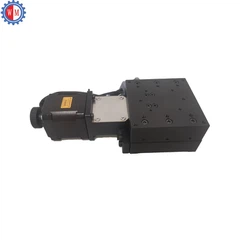
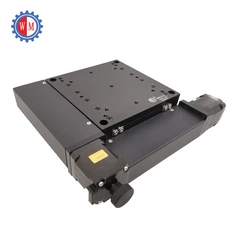
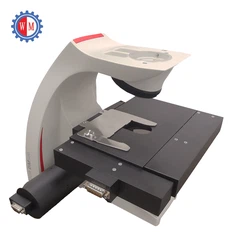
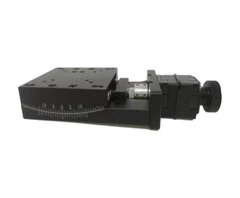


As a supplier of Manual XY - Axis Stages, I often encounter questions from customers regarding the anti - rust treatment of our products. Rust can significantly affect the performance and lifespan of any metal - based equipment, and manual XY - axis stages are no exception. In this blog, I will delve into the details of whether our manual XY - axis stages have anti - rust treatment, why it is important, and the methods we use to achieve it.


Importance of Anti - Rust Treatment for Manual XY - Axis Stages
Manual XY - axis stages are precision instruments used in a wide range of applications, including microscopy, laser processing, and semiconductor manufacturing. These stages are typically made of metal components, such as aluminum, steel, or stainless steel. Metal is prone to rusting when exposed to moisture, oxygen, and certain chemicals in the environment. Rust can cause several problems for manual XY - axis stages:
- Deterioration of Precision: Rust can cause the surfaces of the stage components to become rough and uneven. This roughness can interfere with the smooth movement of the stage along the X and Y axes, leading to reduced precision and accuracy in positioning.
- Reduced Lifespan: As rust progresses, it can weaken the structural integrity of the stage components. This can lead to premature failure of the stage, requiring costly repairs or replacements.
- Increased Maintenance: Rusty stages often require more frequent cleaning and maintenance to keep them in working condition. This can add to the overall cost of ownership and disrupt the workflow in a laboratory or manufacturing environment.
Anti - Rust Treatment in Our Manual XY - Axis Stages
At our company, we understand the importance of anti - rust treatment for manual XY - axis stages. Therefore, we implement several measures to protect our products from rust:
Material Selection
We carefully choose the materials used in the manufacturing of our manual XY - axis stages. For example, we often use high - quality stainless steel for critical components. Stainless steel contains chromium, which forms a thin, protective oxide layer on the surface of the metal. This oxide layer acts as a barrier, preventing oxygen and moisture from reaching the underlying metal and thus inhibiting rust formation.
Surface Coating
In addition to using rust - resistant materials, we also apply surface coatings to our manual XY - axis stages. One common coating we use is a powder coating. Powder coating is a dry finishing process that involves applying a fine powder of pigment and resin to the surface of the stage components. The powder is electrostatically charged, which allows it to adhere to the metal surface. The coated components are then heated in an oven, causing the powder to melt and form a smooth, durable finish.
Powder coating provides several benefits in terms of anti - rust protection. It creates a physical barrier between the metal and the environment, preventing moisture and oxygen from coming into contact with the metal surface. Additionally, powder coatings are highly resistant to scratches and abrasions, which helps to maintain the integrity of the coating over time.
Another type of surface coating we use is an anti - rust paint. Anti - rust paints contain special additives that react with the metal surface to form a protective layer. These paints can be applied to the stage components using a brush, spray, or dip method. Anti - rust paints are particularly effective in protecting areas that are difficult to reach with powder coating, such as internal cavities and small crevices.
Packaging and Storage
We also pay close attention to the packaging and storage of our manual XY - axis stages. Before shipping, we carefully clean and dry the stages to remove any moisture or contaminants. We then package the stages in protective materials, such as plastic bags or foam inserts, to prevent them from coming into contact with moisture during transit.
In our storage facilities, we maintain a controlled environment with low humidity levels. This helps to minimize the risk of rust formation during long - term storage. We also store the stages in a clean and dry area, away from sources of moisture and chemicals.
Verification of Anti - Rust Performance
To ensure that our anti - rust treatment methods are effective, we conduct rigorous testing on our manual XY - axis stages. We expose the stages to simulated environmental conditions, such as high humidity and salt spray, for extended periods of time. We then monitor the stages for signs of rust formation, such as discoloration, pitting, or flaking.
Based on the results of these tests, we continuously improve our anti - rust treatment processes. We also provide our customers with information about the expected anti - rust performance of our stages, so they can make informed decisions about the use and maintenance of the products.
Our Product Range and Anti - Rust Features
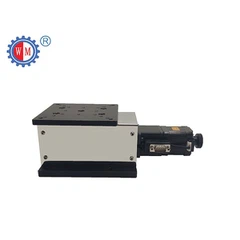
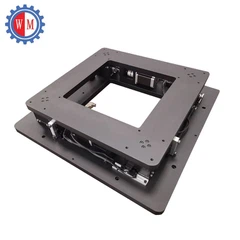
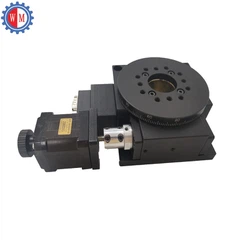
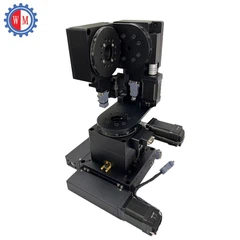
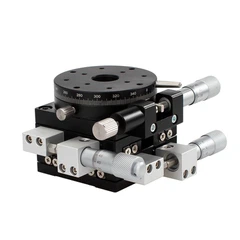
We offer a wide range of manual XY - axis stages to meet the diverse needs of our customers. Our XY Manual Linear Translation Stage is a popular choice for applications that require precise linear motion along the X and Y axes. This stage is constructed using high - quality materials and features our advanced anti - rust treatment methods to ensure long - term reliability and performance.
Our Manual Screw - Driven XY Translation Stage is another excellent option for applications where fine control and adjustment are required. The screw - driven mechanism provides smooth and accurate movement, and the anti - rust treatment protects the stage from the effects of corrosion.
For laboratory applications, we offer the Manual Laboratory Translation Stage. This stage is designed to meet the strict requirements of laboratory environments, including high precision, stability, and resistance to rust.
Conclusion
In conclusion, our manual XY - axis stages are equipped with effective anti - rust treatment to ensure their performance, precision, and longevity. Through careful material selection, surface coating, and proper packaging and storage, we protect our stages from the harmful effects of rust. We also conduct thorough testing to verify the anti - rust performance of our products.
If you are in the market for high - quality manual XY - axis stages with reliable anti - rust protection, we invite you to contact us for more information. Our team of experts is ready to assist you in selecting the right stage for your specific application and to discuss the details of our products and services. Whether you are a researcher in a laboratory or a manufacturer in an industrial setting, we are committed to providing you with the best solutions for your positioning needs.
References
- Metals Handbook: Corrosion, American Society for Metals.
- Surface Coating Technology, CRC Press.
- Handbook of Corrosion Engineering, McGraw - Hill.


