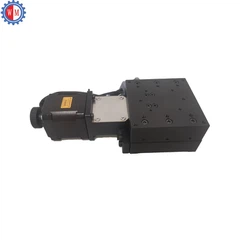
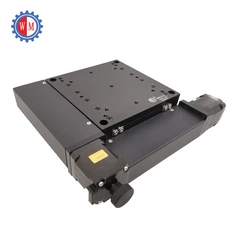
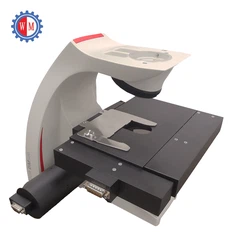
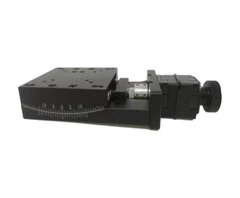


Are motorized lift stages safe to use? This is a question that often comes up when considering the implementation of these devices in various industries. As a supplier of motorized lift stages, I understand the importance of addressing safety concerns to ensure that our customers can use our products with confidence.
Motorized lift stages are widely used in industries such as manufacturing, research, and healthcare. They offer precise and controlled vertical movement, which is essential for tasks like positioning samples in a laboratory, aligning components in a manufacturing process, or adjusting the height of medical equipment. However, like any mechanical device, their safety depends on several factors, including design, installation, maintenance, and user training.
Design and Construction
The safety of motorized lift stages begins with their design and construction. High - quality materials are used to ensure durability and reliability. For example, the frames are often made of strong metals such as aluminum or steel, which can withstand the weight and stress of the load. The motors and drive systems are carefully selected to provide smooth and stable movement.
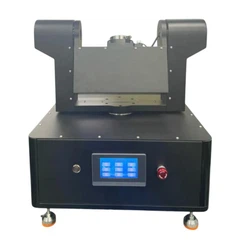
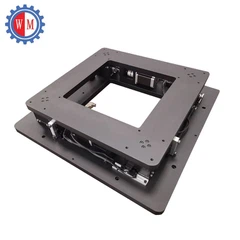
Our Precision Motorized Vertical Lift Stage is designed with precision in mind. It features a robust structure that can support various loads while maintaining accurate vertical positioning. The use of high - grade bearings and guides reduces friction and wear, which not only improves the performance but also enhances safety. The motor is equipped with overload protection, which automatically shuts off the power when the load exceeds the rated capacity, preventing damage to the stage and potential safety hazards.
Installation and Commissioning
Proper installation is crucial for the safe operation of motorized lift stages. It is essential to follow the manufacturer's instructions carefully during the installation process. This includes ensuring that the stage is mounted on a stable and level surface. Any unevenness can cause the stage to tilt, which may lead to instability and potential accidents.
During commissioning, thorough testing should be carried out. This involves checking the movement of the stage, verifying the accuracy of the positioning, and testing the safety features. Our technical support team can provide on - site installation and commissioning services to ensure that the motorized lift stage is installed correctly and is ready for safe operation.


Maintenance and Inspection
Regular maintenance is necessary to keep motorized lift stages in good working condition. This includes lubricating moving parts, checking the electrical connections, and inspecting the mechanical components for signs of wear or damage. A well - maintained stage is less likely to malfunction, which reduces the risk of accidents.
For example, our Heavy Load Lab Scissor Jack requires periodic inspection of the scissor mechanism. The pins and joints should be checked for tightness, and any signs of corrosion or excessive wear should be addressed immediately. The hydraulic or electric components also need to be inspected regularly to ensure proper functioning.
User Training
Even the safest motorized lift stage can become a hazard if not used correctly. User training is an important aspect of ensuring safety. Operators should be trained on how to operate the stage, including how to start and stop the movement, how to adjust the speed and position, and how to use the safety features.
They should also be aware of the limitations of the stage, such as the maximum load capacity and the operating temperature range. Our company provides comprehensive user training programs, either on - site or through online resources, to ensure that operators are well - informed and can use the motorized lift stages safely.
Safety Standards and Certifications
Motorized lift stages should comply with relevant safety standards and certifications. These standards are designed to ensure that the products meet certain safety requirements. For example, in the European Union, products need to comply with the CE marking requirements, which indicate that the product meets health, safety, and environmental protection standards.
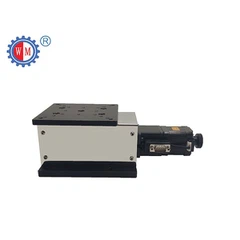
Our High Precision Motorized Z Axis Stage is designed and manufactured in accordance with international safety standards. We conduct rigorous testing to ensure that our products meet or exceed these standards, providing our customers with peace of mind.
Risk Assessment
Before using a motorized lift stage, a risk assessment should be carried out. This involves identifying potential hazards, such as falling objects, electrical shock, or entrapment, and implementing measures to mitigate these risks. For example, guardrails can be installed around the stage to prevent objects from falling off, and electrical safety devices can be used to protect against electrical shock.
In conclusion, motorized lift stages can be safe to use if they are designed, installed, maintained, and used correctly. As a supplier, we are committed to providing high - quality products and comprehensive support to ensure the safety of our customers. If you are considering purchasing a motorized lift stage, we encourage you to contact us to discuss your specific requirements. Our team of experts can provide you with detailed information and help you select the most suitable product for your application.
References
- Industry standards for motorized mechanical devices
- Manufacturer's installation and operation manuals for motorized lift stages
- Research on safety in industrial equipment operation


